Introduction
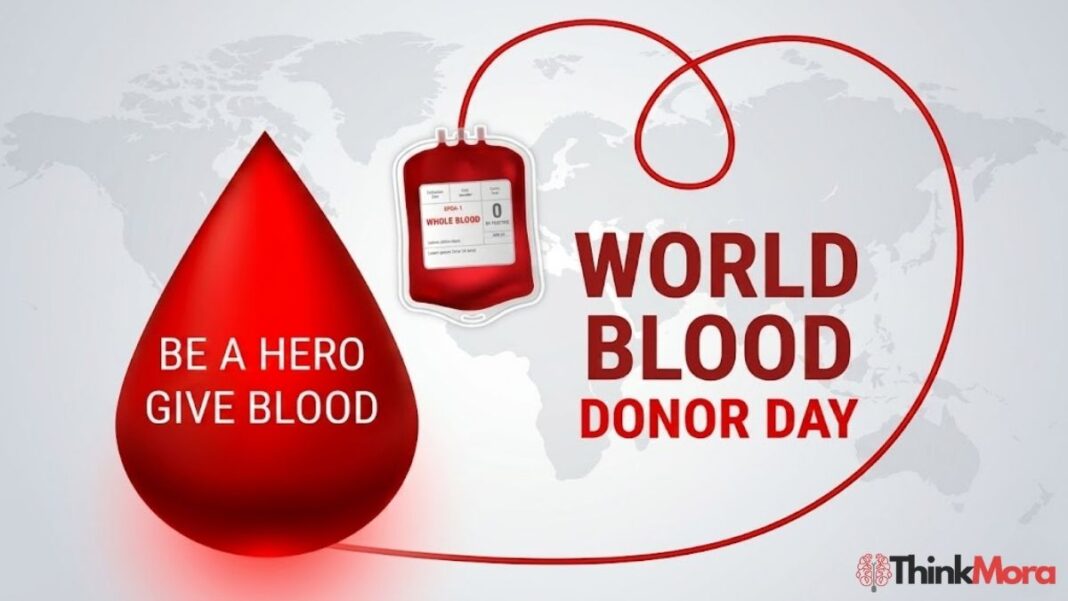
Every year on World Blood Donor Day, we pay tribute to the amazing work of voluntary blood donors from across the globe. Blood donors are an integral part of health systems in the world, and one blood donation can save many lives.
It also helps raise awareness about the ongoing need for safe blood and encourages more people to become regular donors.” Every day, hospitals and medical centers depend on donated blood to help with surgeries, emergency treatment, accident victims, and patients with serious health problems.
World Blood Donor Day 2026 will once again raise awareness about the need for blood donation and thank blood donors and those who save lives through this altruistic act.
What Is World Blood Donor Day?
World Blood Donor Day is observed every year to recognize the voluntary blood donors and to encourage the improved safety and availability of blood and blood products.
The day was established by the World Health Organization (WHO) and its global partners to raise awareness of safe blood donation practices and to improve blood supply systems around the world.
“Blood donations are a vital part of healthcare services and emergency medicine.”
World Blood Donor Day 2026 Date
World Blood Donor Day 2026 is observed on June 14, 2026.
It was selected to honor the birthday of the scientist who identified the ABO blood group system, Karl Landsteiner. A discovery that changed the practice of modern-day blood transfusion.
The day is observed every year in countries across the globe with blood donation drives, awareness programs, and community events.
Why Blood Donation Is Important
Blood donation is a vital part of life and the healthcare system.
1. Saves lives
Blood donations are used in emergencies, surgery, and life-saving medical treatment.
2. Help patients with medical problems
Blood transfusions save the lives of many patients with cancer, blood disorders, and chronic diseases.
3. Assists in Emergencies
Blood is often needed after natural disasters, accidents, and major emergencies.
4. Strengthening of the health system
Hospitals can respond quickly to the needs of patients with a steady supply of blood.
5. Creates community support
Blood donation is one of the easiest ways to help others and promote public health.
Insight: One donation can save more than one life. “It is one of the most generous things you can do.

Who Can Donate Blood?
Although eligibility requirements vary from country to country, most blood donors must generally meet.
1. Age requirements
2. Keep yourself healthy
3. Please prepare the weight specifications.
4. Pass a basic medical examination.
5. Please follow the instructions of the donation center.
All donors are screened by health care professionals to protect the health and safety of the donor and the recipient.
Benefits of Donating Blood
The primary motive is to help others, but there can be personal benefits to giving blood, too.
1. Surveillance Medical
Before donating, donors typically have a basic health check.
2. Meaning contribution
Many donors say they take comfort in having saved lives.
3. Community Involvement
Blood donation is a way to get involved in a worthwhile community service.
4. Increased Awareness
Many regular donors also become advocates for health care and public health care.
Common Myths About Blood Donation
There are so many misconceptions that put people off donating blood.
1. Myth: Bloodletting hurts
For most donors, the process is only mildly uncomfortable.
2. Myth: Taking Blood is Not Safe
Donating blood is a safe and well-regulated medical procedure.
3. Myth: It takes too long
Most donation appointments don’t take a lot of time to complete.
4. Myth: Blood Donation Is Only for Sick People
Healthy people donate regularly to keep the blood supply healthy.
How World Blood Donor Day Is Celebrated
Communities and health care organizations mark the day with a variety of activities.
The traditional festivities are
1. Blood donation drives
2. Awareness campaigns in the public space
3. Health education activities
4. Donor Appreciation Events
5. Community outreach programs.
6. Social media awareness drives
Such efforts help to inspire more people to become blood donors.
The Global Need for Blood Donations
Blood is a constant need in the healthcare systems around the world.
The blood is employed to
1. Emergency Operations
2. Injured victims
3. Complications of childbirth
4. Oncologic Treatment
5. Organ transplantation.
6. Blood diseases.
With regular giving, hospitals can meet these needs all the time.
Why World Blood Donor Day Matters
World Blood Donor Day is an important opportunity to raise awareness of the importance of blood donation for saving lives and to inspire communities to support health services.
The observance promotes
1. Blood Donation Safety
2. Public health awareness
3. Involvement of the Community
4. Health aid
5. Volunteer – Lifesaving Services
It’s a reminder that even a small donation can make a huge difference in someone’s life.
Frequently Asked Questions
Q1: Why World Blood Donor Day?
World Blood Donor Day is celebrated each year on 14 June to thank voluntary blood donors for their life-saving gifts of blood and to raise awareness of the need for safe blood and blood products for transfusion.
Q2: What is the cost of 1 ml of blood?
Blood is usually not sold, as in most countries, blood donation is voluntary. Hospitals may charge for processing, testing, storage, and transfusion. So there is no fixed world price for 1 ml of blood.
Q3: What is the slogan for blood donation 2026?
World Blood Donor Day 2026 Theme/Slogan (June 2026) The official World Blood Donor Day 2026 slogan/theme has not yet been officially announced by the World Health Organization as of June 2026.
Q4: What are the 7 rarest blood types?
Some of the rarest blood types are.
1. Rh null (Golden Blood)
2. O negative.
3. B-AB unusual antigen combinations. Negative.
4. Bombay Blood Group (h/h)
5. Rare Variants of the Rh-Negative Blood Type
That all depends on the area and the people.
Q5: What is gold blood?
The rarest blood in the world is called “gold blood,” and it’s known as Rh-null. People with Rh-null blood have no Rh antigens on their red blood cells. This blood type is found in only a few dozen people worldwide. This is of great help in rare blood transfusions and research in medicine.
Last Thoughts
World Blood Donor Day 2026 is a chance to celebrate the spirit of giving, compassion, and saving lives. It recognizes the millions of blood donors whose donations save lives every day.
The purpose of the day is to increase public awareness and to encourage voluntary blood donation, which is a vital component of health care systems, and to ensure that patients receive the care they need.
World Blood Donor Day 2026, observed globally, is a timely reminder that blood donation is indeed the donation of the gift of life.