Introduction
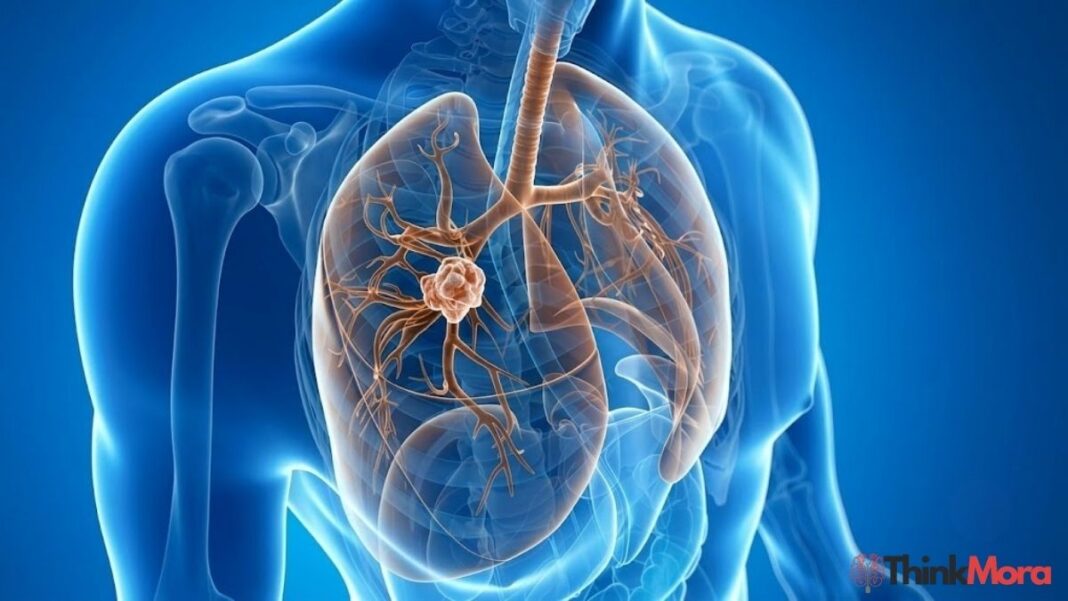
Good lung health is something we take for granted until we have trouble breathing. Every day, our lungs help us work and walk, exercise and sleep, and be with our families. “That’s why it’s so important to raise awareness about lung cancer, the risk factors, and the need for early medical attention.”
The 2026 World Lung Cancer Day is being observed to create awareness of lung cancer, to motivate people to support all those affected by lung cancer, and to speak openly about prevention and screening. It is also a stark reminder that lung cancer does not discriminate and can affect people from all walks of life, not just smokers.
When Is World Lung Cancer Day 2026?
World Lung Cancer Day is celebrated every year on August 1. It will be on Saturday, August 1st, 2026
The day aims to raise awareness of lung cancer, tackle stigma, and promote early diagnosis and support for patients, families, carers, and health professionals.
Why Is World Lung Cancer Day Important?
Lung cancer remains one of the world’s most serious health problems. It was the leading cause of cancer death worldwide, with 2.5 million new cases and 1.8 million deaths in 2022, the World Health Organization (WHO) reported. In many cases, the diagnosis is made later when treatment options are likely to be fewer.
World Lung Cancer Day is a chance to raise awareness about the importance of lung health, research, prevention, patient support, and urgent medical care. “It opens the door for a conversation about symptoms, risk factors, and the importance of screening for those at higher risk.
Common Risk Factors for Lung Cancer
Smoking is a major risk factor for lung cancer, but not the only risk factor. Lung cancer can happen in people who have never smoked.
The following risk factors were identified
1. Tobacco smoking, cigarettes, and other tobacco products
2. Exposure to Secondhand Smoke
3. Radon Gas Exposures
4. Pollution of the air.
5. Exposure to asbestos, arsenic, chromium, or diesel exhaust at work
6. Genetics and family history
7. History of radiation therapy to the chest
Such risks are communicated to persons so that they can make informed choices and to discuss any concerns with a health care professional.
Possible Symptoms to Take Seriously
Early-stage lung cancer usually doesn’t cause symptoms. But there are some symptoms that definitely should not be ignored, especially if they are ongoing or worse.
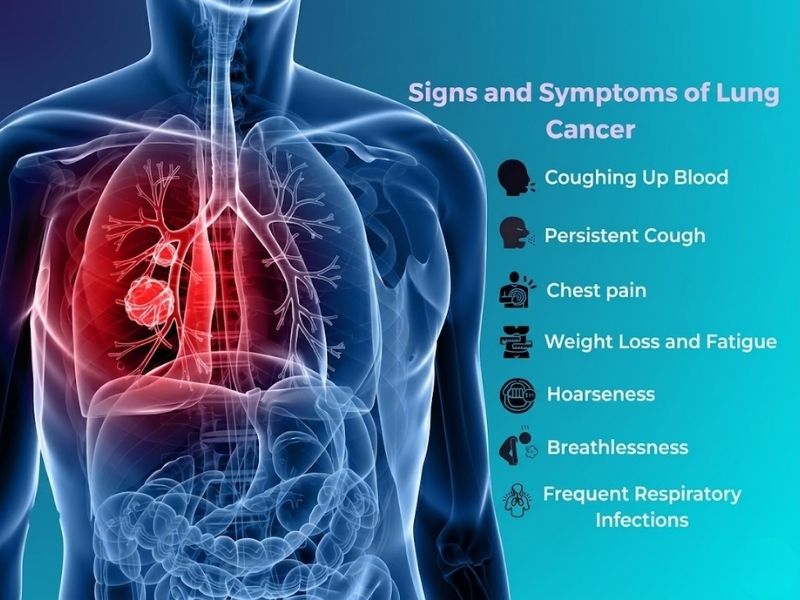
Signs and symptoms may include
1. Spitting with blood, chronic cough
2. Chest, Shoulder, or Back Ache
3. hoarse or wheezing sound, difficulty breathing
4. Recurrent chest infection
5. Basic weight loss
6. Always feeling tired or having low energy.
There are other medical conditions that can cause these symptoms. However, it is important to seek advice, testing, and diagnosis from a qualified health care professional and not self-diagnose online.
Why Early Detection Matters
If you get it early, it makes a lot of difference. Lung cancer screening can find lung cancer early for some people at high risk for this disease, including some current or former long-term smokers, before symptoms appear.
The risk of a person can be assessed by healthcare professionals based on age, history of smoking, family history, work environment, and other factors. They can then recommend whether screening or further investigation is necessary.
How to Observe World Lung Cancer Day 2026
You don’t need to be a doctor or health professional to get behind this awareness day! Small things can spread good talks and useful information.
1. Share Reliable Awareness Information
Evidence-Based Information to Know to Share Lung Cancer, Early Detection & Lung Health. Factual Information. #WorldLungCancerDay can help you amplify your awareness messages
2. Promote smoke-free living
If you smoke, ask your health care provider to help you stop. There are things that families and communities can do to help create smoke-free environments that will help reduce exposure to secondhand smoke.
3. Indoor Air Quality and Radon Data
Air pollution can cause permanent lung damage. Radon is a naturally occurring gas that can accumulate indoors. One practical thing families can do is learn about local air quality and home safety measures.
4. Supporting Patients & Caregivers
A kind word, some practical help, or just listening can make a difference for someone living with lung cancer. It is also a day to say thank you to the caregivers who help loved ones through treatment and recovery.
5. Put on an event at your school or workplace
Or you could do a short awareness talk, poster campaign, health quiz, or fundraising activity for a trusted lung-health organization in schools, offices, or community groups.
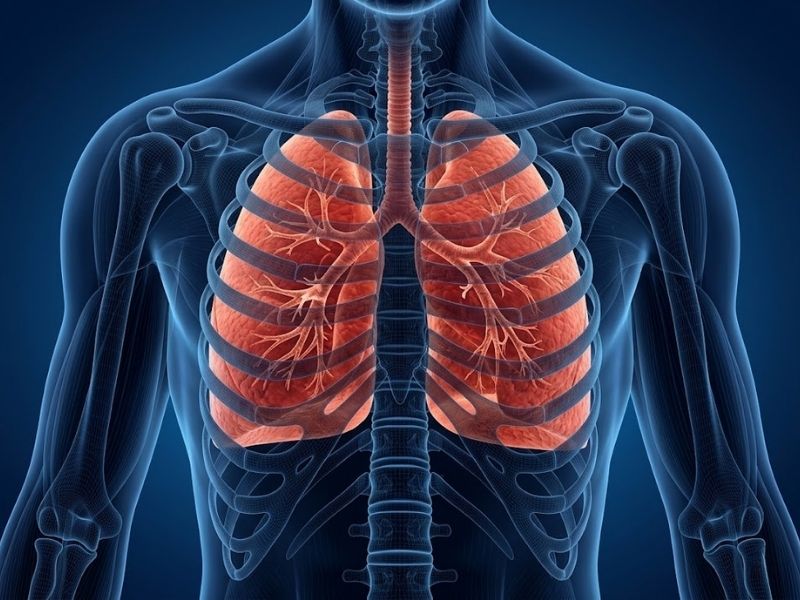
Healthy Habits That Support Lung Health
Lung cancer isn’t entirely preventable, but there are steps you can take to reduce your risk and improve your overall lung health.
1. Don’t smoke or use tobacco.
2. Check if you need to test for radon in your area.
3. Regulations relating to chemicals, fumes, and dust.
4. Get as much movement as you can.
5. Eat healthy and have regular health check-ups.
If you notice a change in your breathing or cough that doesn’t go away, see a health care professional to get it checked.
World Lung Cancer Day 2026 Theme
Currently, there is no official World Lung Cancer Day theme for 2026 that has been universally published by all organizations at the time of this writing. Some campaigns may have their own messages or local themes. Awareness, prevention, early detection, research, and support for all those affected by lung cancer remain the focus.
Final Words
World Lung Cancer Day 2026 A timely reminder Awareness, earlier conversations, better support, healthier choices. It’s a day to stand in support of people living with lung cancer, their caregivers and families, researchers, and health care providers. Smoking is among the most important risk factors. To find out more about the broader impacts of tobacco use on lung health, check out our guide on World No Tobacco Day 2026.
August 1, 2026: World Lung Cancer Day. It’s a day to raise awareness about lung health, give information and advice, and encourage anyone with ongoing symptoms or concerns to see their GP.